
How to Manage Fast Apparel Sampling in Guangzhou Without Losing Production Control
A practical control framework for managing apparel blocks, fabrics, trims, size charts, sample stages, MOQ, grading, replenishment, packing, and communication records in Guangzhou.
Category: O2O Sourcing > Industrial Hubs > Guangzhou apparel
Core message: Guangzhou’s concentrated apparel ecosystem can shorten sourcing and sampling cycles, but sample speed does not guarantee stable bulk production. Buyers must convert every approved sample decision into measurable specifications, signed records, and production checkpoints.
Executive introduction
A buyer may approve a Guangzhou sample within days and still receive bulk garments with different fabric, measurements, trims, workmanship, or packing. The first sample might have been made by an experienced sample-room technician using available market fabric, while the order is later cut from a newly dyed lot and sewn by a different production line. A visually successful sample therefore shows that one garment can be made; it does not prove that hundreds or thousands can be reproduced consistently.
Guangzhou remains valuable for fast apparel development because pattern rooms, fabric markets, trim vendors, printers, embroiderers, washing facilities, and small workshops are concentrated within a relatively accessible ecosystem. Materials can often be reviewed quickly, patterns adjusted without long transport delays, and replacement components sourced within a short development window. That speed is useful only when each decision remains traceable.
The control principle is simple: treat every sample as a documented decision point, not as proof of bulk-production capability. Lock the block, verify materials, use appropriate sample stages, confirm MOQ and production constraints, approve grading, and transfer every accepted detail into bulk records. Material ordering, cutting, packing, and shipment should each require a separate release.
1. Build the Control File Before Requesting the First Sample
Define the base block and ownership rules
Start by identifying the pattern source. The style may use the buyer’s proven block, a factory standard block, a reference garment, a market sample, or a newly developed pattern. These options are not interchangeable: copying the appearance of a reference garment does not establish its hidden construction, grading logic, seam allowances, or fit intent.
For every sample round, record:
- Pattern or block ID.
- Version number and revision date.
- Base size.
- Fit category: slim, regular, relaxed, or oversized.
- Seam allowances.
- Digital pattern format.
- Responsible pattern maker.
- Source of the original block or reference.
State who owns the pattern and whether editable digital files must be released after payment. Prohibit undocumented pattern changes, including changes made before bulk cutting to improve marker efficiency or sewing speed. Once the pattern is approved, preserve a sealed digital file, paper pattern, or both.
Issue a workable tech pack and size chart
The tech pack should include flat sketches, construction details, artwork placement, stitch requirements, finishing instructions, and a bill of materials. Avoid instructions such as “normal fit” or “same as sample” when the requirement can be measured or illustrated.
Build the size chart around defined points of measure. It should state:
- Base-size measurements.
- Measurement diagrams and garment position.
- Tolerance for each point.
- Whether the garment is measured relaxed, stretched, buttoned, zipped, or laid flat.
- Wash, conditioning, and shrinkage conditions.
- The single measurement unit used throughout the project.
Separate fit-critical points—such as chest, shoulder, armhole, rise, hip, inseam, and body length—from lower-risk dimensions. Require an actual-measurement report with every sample. If centimeters are converted to inches, define the rounding method so repeated conversions do not gradually alter the specification.
Confirm fabrics before cutting
A visual fabric description is insufficient. Record fiber composition, construction or knit structure, weight in GSM, usable width, color reference, finish, hand feel, stretch, recovery, shrinkage target, supplier, and article number. Also identify whether the fabric is stocked, made to order, or nominated by the buyer.
Swatches and lab dips should carry a dated signature or digital approval code. Depending on the fabric and market, verify risks such as:
- Shrinkage.
- Colorfastness.
- Crocking.
- Pilling.
- Spirality.
- Skew.
- Stretch recovery.
- Shade variation.
Clearly label sample yardage that comes from market stock when bulk fabric will need to be newly knitted, woven, or dyed. A sample made from an available roll may be difficult to reproduce if that lot cannot support the order quantity. Approval of the sample must not be interpreted as automatic approval of an unreviewed bulk lot.
Lock trims and packing components by reference
Prepare a trim card for buttons, zippers, elastic, drawcords, labels, thread, snaps, interlining, patches, and decorative components. Record source codes, color, material, finish, dimensions, placement, performance requirements, and any approved alternatives.
Branded trims may require molds, artwork approval, deposits, or MOQs that are much higher than the garment order. Confirm these constraints before the sample creates an expectation that cannot be supported commercially.
Primary packing should also enter the control file early. Define the folding method, polybag size, warnings, tissue, clips, hangers, inserts, size stickers, barcode labels, assortments, and carton marks. “Similar quality” substitutions should never be accepted without written approval.
2. Run Sampling as a Gated Approval Process
Choose the sample stages the style needs
Not every style needs every possible sample stage, but every relevant risk must be checked somewhere in the process.
- Proto sample: Tests the initial shape, construction concept, and interpretation of the design.
- Fit sample: Corrects balance, measurements, mobility, and proportion on the required model or mannequin.
- Development or salesman sample: Reviews appearance and commercial presentation; substitute materials must be identified.
- Size-set sample: Checks grading and fit across selected sizes, especially the smallest, base, and largest sizes.
- Pre-production sample: Confirms intended bulk fabric, trims, construction, labels, finishing, and packing.
- Top-of-production sample: Compares garments taken from the active bulk line with the approved standard.
Simple or repeat styles may combine stages. Combining stages is acceptable only when the omitted checks are completed and documented elsewhere. It should not remove responsibility for verifying fit, materials, grading, workmanship, or packing.
Control each submission
Every sample should arrive with a submission sheet showing:
- Style number and sample stage.
- Version and submission date.
- Pattern version.
- Sample size and color.
- Material status: actual, substitute, or pending.
- Actual measurements against specification.
- Known deviations.
- Supplier questions.
- Photographs of the front, back, inside construction, labels, and key details.
- Named sender, reviewer, and approval deadline.
This prevents a substitute-fabric development sample from being mistaken for a pre-production sample. It also creates a record of what the buyer actually reviewed.
Use precise approval language
Limit formal decisions to:
- Approved.
- Approved with listed corrections.
- Rejected—resubmit.
- Reference only—not approved for production.
Consolidate comments in one controlled document instead of spreading them across email, WeChat, calls, and marked photographs. Number each comment and use annotations where wording may be misunderstood.
Fit, fabric, color, trim, artwork, workmanship, and packing approvals should be distinguished from one another. An approval must also state whether it authorizes bulk material ordering, bulk cutting, or neither. Keep one sealed approved sample with the buyer or inspection party and one with the factory.
Keep speed from erasing traceability
Set comment deadlines before development starts and maintain a decision log containing the request date, supplier response, buyer decision, responsible person, affected document, and effective version.
Summarize consequential WeChat, phone, and in-person decisions in the central project record on the same day. Changes involving price, lead time, MOQ, materials, measurements, construction, or packing should be acknowledged by both parties. Where teams work across languages, confirm technical terms with diagrams, measurements, or component references rather than relying on informal translation.
3. Transfer the Approved Sample Into a Bulk-Ready Plan
Verify MOQ and production capacity
Confirm separate minimums for fabric knitting or weaving, dyeing by color, printing, washing, custom trims, labels, packaging, and the factory order by style or color. A factory willing to sew a small order does not mean every material supplier will support the same quantity.
Document the effects of ordering below standard MOQ, including:
- Higher unit cost.
- Restricted colors.
- Mixed or stock materials.
- Lot-to-lot variation.
- Material surcharges.
- Longer lead times.
- Limited replenishment availability.
Ask whether low-volume production will use mixed lines or subcontracted processes. Verify production-line capacity rather than sample-room availability, and record subcontracted cutting, sewing, printing, embroidery, washing, finishing, or packing locations.
Approve grading separately
A good base-size fit does not validate the full size range. Require a grading-rule table for every point of measure and review how each dimension changes between sizes. Automatic proportional grading can create poor results at the smallest and largest sizes.
Pay particular attention to:
- Neck opening and shoulder slope.
- Armhole and sleeve cap.
- Rise and inseam.
- Hip and thigh.
- Elastic length and tension.
- Pocket placement.
- Artwork placement.
Measure a size set and conduct representative fit reviews where the target market requires them. Freeze the graded measurement chart or pattern nest before bulk cutting. Any grading adjustment made for fabric utilization or sewing efficiency requires written approval.
Plan replenishment before the first order
Classify the product as a one-time fashion order, seasonal repeat, or continuous replenishment style. If continuity matters, nominate repeatable fabrics and trims instead of relying on temporary market stock.
Record dye-lot and trim-lot information for every run. Keep approved color standards and, where useful, cuttings from each bulk fabric lot. Suppliers should disclose discontinued articles, unstable inventory, or likely replacement risks.
Define which variables may change during replenishment and which require renewed approval. Require a new pre-production or confirmation sample when the fabric, trims, pattern, factory, finishing method, production location, or another critical input changes.
Translate packing approval into line instructions
Create a packing specification with photographs or diagrams. It should define:
- Folding sequence and finished dimensions.
- Pressing and presentation standard.
- Hangtag, sticker, and label placement.
- Polybag type, ventilation holes, and warnings.
- Barcode data and scan verification.
- Size and color assortment.
- Units per inner and master carton.
- Carton dimensions, weight limits, and marks.
Run a packing trial before full packing starts. Inspect garment quality and assortment accuracy before cartons are sealed. Retain a packed reference carton or a complete photographic record for shipment verification.
4. Apparel Sample-to-Production Control Table
| Control point | Buyer provides or approves | Guangzhou supplier returns | Release gate | Main uncontrolled risk |
|---|---|---|---|---|
| Base block and pattern | Fit reference, base size, ownership terms | Pattern ID, version, seam allowances, pattern-maker confirmation | Pattern accepted for sampling | Undocumented pattern changes alter fit |
| Size chart | POM definitions, diagrams, targets, tolerances | Actual-measurement report for each sample | Fit-critical measurements accepted | Appearance hides measurement errors |
| Fabric | Composition, GSM, width, color, finish, performance needs | Article code, swatch or lab dip, test data, availability, MOQ | Bulk fabric authorized in writing | Sample stock differs from bulk fabric |
| Trims | Trim card, artwork, color, dimensions, performance needs | Physical set, source codes, MOQ, lead time, alternatives | Each trim approved by code or sealed reference | Unapproved substitutions affect quality |
| Proto and fit | Tech pack and prioritized review criteria | Labeled sample, deviation list, photographs, measurements | Comments closed or next round authorized | Unresolved fit issues continue |
| Size set and grading | Approved base fit and grading expectations | Size-set samples and graded chart or pattern nest | Grading approved before cutting | Extreme sizes fit poorly |
| Pre-production sample | Final fabric, trims, labels, workmanship, and packing | PPS using intended bulk inputs with submission record | Explicit bulk-cutting authorization | Substitute materials are treated as final |
| MOQ and order terms | Quantity by style, color, and size | Component MOQs, surcharges, capacity, subcontracting disclosure | Commercial feasibility accepted | Low MOQ changes materials or processes |
| Bulk materials | Signed standards and test requirements | Lot swatches, shade bands, reports, lot references | Fabric and trims released for cutting | Shade, shrinkage, or performance variation |
| Cutting and sewing | Approved pattern and workmanship standard | Cutting report, first-output measurements, line QC records | Pilot or first output accepted | Bulk line cannot reproduce sample-room work |
| Top of production | Sealed sample and final measurement chart | Samples taken from the active production line | Continue, correct, or stop decision | Defects multiply before detection |
| Replenishment | Standards and permitted-change rules | New-lot references and change disclosures | Repeat-order confirmation approved | Repeat goods drift from the original |
| Packing | Packing specification, barcode data, assortment rules | Packing trial, scan report, carton photos, packing list | Full packing released | Wrong labels or assortments ship |
| Communication | Named approvers and controlled channels | Consolidated change log and acknowledgments | Current version distributed | Verbal decisions are disputed |
| Shipment | Inspection criteria and required records | Final inspection, measurements, packing evidence, corrections | Written shipment authorization | Fast sampling is mistaken for bulk stability |
Use the table as a live release tracker
Add columns for the owner, due date, status, and document link. Mark each gate as pending, conditionally approved, approved, or blocked. Material ordering, cutting, packing, and shipment should not proceed while the corresponding gate remains incomplete.
Link each approval to the exact sample, document version, material lot, or physical reference reviewed. Reopen the relevant gate whenever the supplier changes a material, pattern, production location, process, subcontractor, or packing component.
Pre-bulk control checklist
- The final tech pack has a version number and issue date.
- Block and pattern versions match the approved sample.
- The size chart includes measurement methods and tolerances.
- Grading has been reviewed beyond the base size.
- Bulk fabric and trim sources match approved references.
- Shrinkage, shade, and relevant performance risks are checked.
- Component MOQs and lead times support the order plan.
- Subcontracted processes and locations are disclosed.
- Pre-production sample status is unambiguous.
- Sealed samples are held by the buyer and factory.
- Packing trials and barcode checks are scheduled.
- Top-of-production and final inspections are booked.
- Replenishment and lot-traceability rules are documented.
- Verbal decisions and material changes appear in the central log.
Image gallery
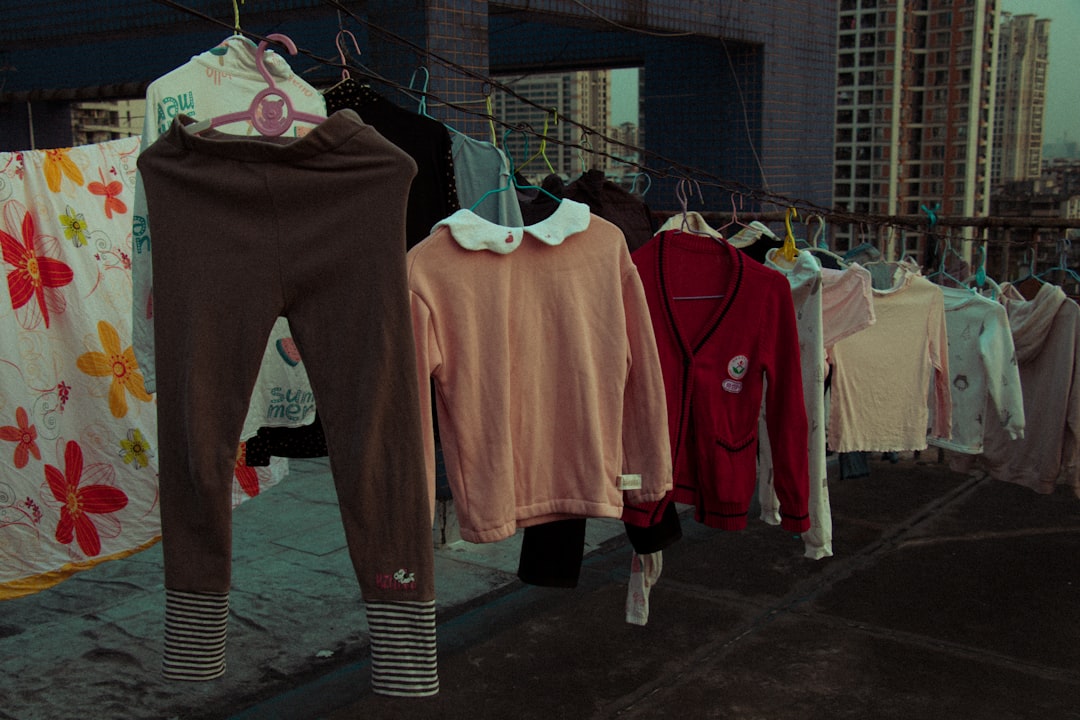
Guangzhou’s concentrated apparel environment can accelerate development, but production consistency still depends on documented specifications and release controls.
Photo by Iamsabrinka on Unsplash. Used under the Unsplash License.
5. Final Next Move: Start With One Controlled Pilot Style
Select one representative style instead of launching a complete range through an untested supplier. Send a version-controlled development pack containing the block or fit reference, technical drawings, size chart, fabric specification, trim card, sample-stage plan, target quantity, color split, MOQ questions, replenishment expectations, and packing brief.
Before sampling, ask the supplier for a written feasibility review covering material availability, substitute risks, sample timing, component and garment MOQs, bulk capacity, subcontracting, and likely bottlenecks. Agree on named approvers, communication channels, the sample-to-production control table, and release gates before paying for development or committing to bulk materials.
Use the pilot to assess documentation discipline, measurement accuracy, grading, change control, material traceability, and bulk-line execution—not merely the speed of the first sample. Fast sampling in Guangzhou is a development advantage. Stable bulk production still requires verified materials, controlled patterns, approved grading, realistic MOQs, production-line checks, packing controls, and complete communication records.
Sourcing information earns its value when it is verified, compared and turned into a decision.