
O2O Sourcing
A three-part buyer decision system covering sourcing methods, factory checks, and quality control.
O2O Sourcing is a three-part path for buyers who need to identify an appropriate purchasing approach, verify the factory behind an offer, and protect product quality before shipment. It connects supplier discovery with evidence-based verification and measurable quality safeguards, helping buyers move from an initial requirement to a documented shipment decision.
This collection contains exactly three child sections: Sourcing methods, Factory checks, and Quality control. Together, they form a buyer decision system: choose how and where to buy, determine whether a specific factory is credible and capable, and confirm that the products actually made meet the agreed requirements.
Following this system should produce a clearer sourcing plan, more reliable supplier decisions, and defined quality safeguards. Each section addresses a different uncertainty, but none replaces the others. Finding a supplier does not verify its factory, and verifying a factory does not guarantee that every production batch will conform.
Orientation
This collection is for importers comparing direct, agent-assisted, marketplace, or other sourcing approaches; buyers evaluating unfamiliar manufacturers; and teams preparing specifications, inspections, and shipment approvals.
Start with Sourcing methods when the supplier search or purchasing model is not yet settled. Continue to Factory checks before relying on supplier claims or placing a high-risk order. Use Quality control when requirements must be translated into specifications, production checkpoints, inspection criteria, and shipment-release decisions.
The key distinction is purpose. A suitable sourcing method helps a buyer find and manage supply options. Factory checks assess whether a particular supplier appears credible and capable. Quality control tests whether the resulting products meet the buyer’s agreed requirements. No single stage is sufficient on its own.
How the three sections work together
The progression is route → source → result:
- Choose the route — Sourcing methods: Establish how suppliers will be found, compared, contacted, and managed. Match the model to order size, product complexity, internal expertise, budget, and risk tolerance.
- Verify the source — Factory checks: Investigate whether a shortlisted supplier is a genuine and suitable production partner by reviewing identity, facilities, capacity, processes, documentation, and relevant business or compliance evidence.
- Control the result — Quality control: Convert expectations into specifications, checkpoints, inspection criteria, and acceptance decisions from pre-production preparation through final inspection and shipment release.
Each stage narrows a different type of uncertainty. Sourcing methods reduce uncertainty about how and where to buy. Factory checks reduce uncertainty about who will make the product. Quality control reduces uncertainty about what will actually be produced and shipped.
The system is also iterative. If a factory check uncovers unacceptable risk, return to sourcing methods and shortlist another supplier. If quality control reveals systemic production problems, reassess both the factory and the sourcing arrangement rather than treating the failed inspection as an isolated event.
Buyer-question-to-section comparison
| Buyer question | Start with | What the section should help clarify | Connection to the next stage |
|---|---|---|---|
| How should I search for and purchase this product? | Sourcing methods | Available sourcing routes, their trade-offs, and which model fits the purchase | Produces a shortlist or supplier-management plan for verification |
| Should I trust this supplier’s factory claims? | Factory checks | Factory identity, capability, capacity, processes, evidence, and warning signs | Establishes whether the supplier is suitable enough to enter controlled production |
| How do I define and verify acceptable product quality? | Quality control | Specifications, samples, inspection stages, defect criteria, reporting, and release decisions | Provides evidence for accepting, correcting, rejecting, or withholding shipment |
| I found a low-priced supplier; what should I do next? | Factory checks | Whether the offer is supported by a credible production operation | Follow with quality requirements and inspection planning |
| My samples are acceptable, but how do I protect the bulk order? | Quality control | How to preserve approved standards during mass production | Use inspection findings to manage corrective action and shipment approval |
| My current supplier failed verification or inspection; where do I restart? | Sourcing methods | Whether to change the sourcing route, search criteria, or supplier shortlist | Repeat factory checks and quality planning with the replacement candidate |
The three child sections
1. Sourcing methods
Purpose: Help buyers choose a practical way to locate suppliers and manage purchasing.
This section compares sourcing approaches by control, cost, communication, speed, transparency, and required buyer involvement. It explains how product complexity, order volume, target market, customization, and internal resources affect the choice. It also encourages buyers to define requirements and comparison criteria before requesting quotations, because the selected method shapes supplier access, pricing visibility, accountability, and risk.
Use it to answer:
- Which sourcing approach fits this order?
- How much support or direct control does the buyer need?
- What trade-offs should be considered before creating a shortlist?
Once one or more candidates have been identified, continue to Factory checks.
2. Factory checks
Purpose: Help buyers assess whether a shortlisted factory is genuine, capable, and appropriate for the intended product and order.
This section covers identity and business-document review, facilities and equipment, workforce and capacity, production processes, and relevant compliance evidence. It distinguishes basic verification from deeper capability or compliance assessment and emphasizes consistent, product-specific evidence rather than sales claims alone. Warning signs may include inconsistent company details, unclear production ownership, unsupported capacity claims, or restricted access to evidence.
Use it to answer:
- Is this supplier operating the factory it claims to operate?
- Can the factory make the required product at the expected volume and standard?
- Which risks must be resolved before committing funds or approving production?
Move qualified suppliers into Quality control planning before production begins.
3. Quality control
Purpose: Help buyers define, monitor, inspect, and document whether products meet agreed requirements.
This section begins with clear specifications, approved samples, tolerances, packaging requirements, defect definitions, and acceptance criteria. It introduces checkpoints before production, during production, before shipment, or at other risk-appropriate moments. It also connects inspection evidence with defect classification, corrective action, reinspection, and shipment decisions. Quality should be planned before production, not added only as a final check.
Use it to answer:
- What does “acceptable quality” mean for this order?
- When should products or processes be checked?
- What should happen when inspection results do not meet the agreed standard?
The three-part path ends with a documented decision to accept, correct, reinspect, reject, or withhold shipment.
Image gallery
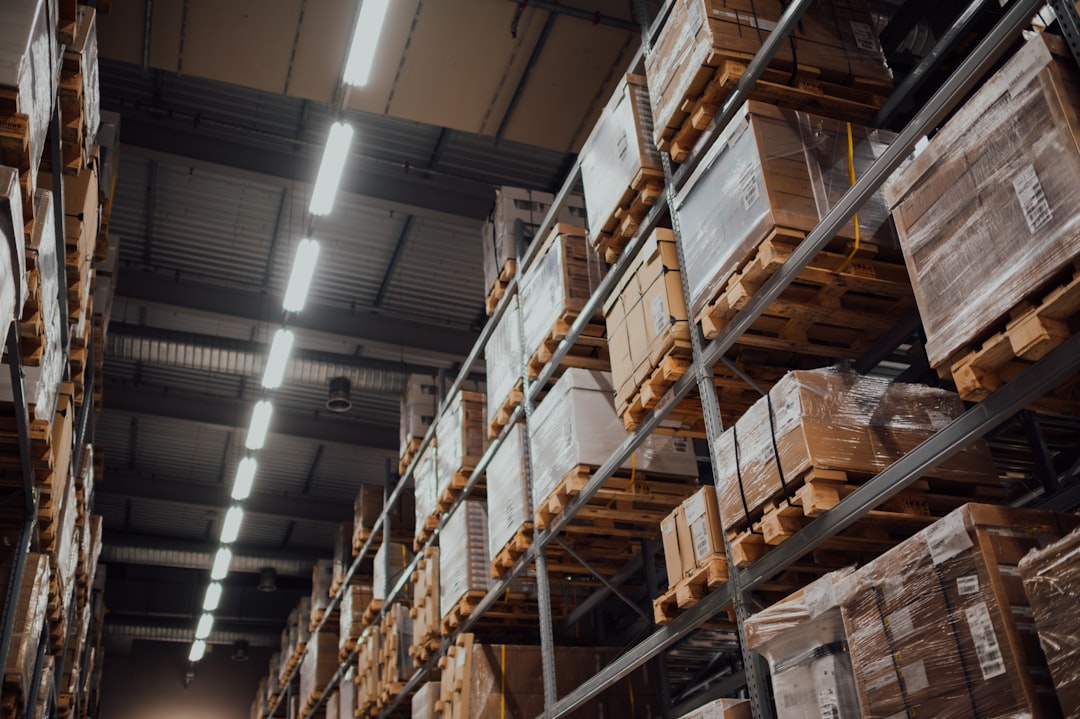
Organized cartons and warehouse racks reflect the end-to-end path from supplier selection and factory verification to controlled production, packing, storage, and shipment readiness. The pictured facility is not presented as an O2O Sourcing partner, an audited factory, or evidence of a particular quality result. Photo by CHUTTERSNAP on Unsplash. Used under the Unsplash License.
Final next move
Begin with Sourcing methods to choose or confirm the purchasing route.
Already have a supplier? Go directly to Factory checks. If the factory is already approved and an order is being prepared, continue to Quality control.
Whenever possible, follow the full sequence: choose the sourcing method, verify the factory, and control product quality before authorizing shipment.
Sourcing information earns its value when it is verified, compared and turned into a decision.