
O2O Sourcing
A three-stage buyer decision system for choosing sourcing methods, verifying factories, and controlling product quality.
O2O Sourcing gives importers, procurement teams, brand owners, and first-time buyers a structured journey from supplier discovery to product acceptance. The collection contains exactly three connected child sections: Sourcing methods, Factory checks, and Quality control. Together, they form a buyer decision system: choose how to find and engage suppliers, verify that a shortlisted factory is suitable, and validate that the goods meet the agreed requirements.
Orientation
Begin with Sourcing methods to define the buying route, supplier-discovery approach, and level of sourcing support. Continue to Factory checks to determine whether shortlisted suppliers are legitimate, capable, and appropriate for the product and order. Finish with Quality control to confirm that samples, production, packaging, and shipment outcomes satisfy documented specifications.
This sequence follows a practical risk-reduction path: find and structure the opportunity → verify the supplier → validate the output. The stages support one another, but they are not interchangeable. A strong sourcing method does not prove that a factory can perform; a successful factory check does not guarantee that every production batch will conform; and quality control works best when requirements and supplier expectations have already been made clear.
Buyer questions and the right section
| Buyer question | Go to | Why this section fits |
|---|---|---|
| How should I search for products or suppliers? | Sourcing methods | Compares practical routes for identifying and engaging suppliers. |
| Should I source directly, use a marketplace, or work with an intermediary? | Sourcing methods | Helps balance control, cost, experience, speed, and complexity. |
| How do I compare suppliers before committing? | Sourcing methods | Establishes screening criteria and shortlisting practices. |
| Is the supplier a manufacturer or a trading company? | Factory checks | Covers business identity, production-site relationships, and operational evidence. |
| Can the factory meet my product, volume, and delivery requirements? | Factory checks | Examines capability, capacity, systems, and suitability. |
| What should an audit or factory visit review? | Factory checks | Organizes the evidence needed to assess supplier risk. |
| How can I ensure production matches my specifications? | Quality control | Connects specifications, approved samples, tests, and inspection criteria. |
| When should inspections take place? | Quality control | Covers checks before, during, and after production. |
| What happens if products fail inspection? | Quality control | Addresses corrective action, rework, reinspection, and shipment decisions. |
Sourcing methods
This is the starting point for deciding how products and suppliers will be found, compared, and engaged. It introduces routes such as direct factory outreach, online supplier platforms, trade shows, referrals, and sourcing-service support. Buyers can compare their trade-offs in cost, speed, visibility, communication, local knowledge, and control.
The right approach depends on product complexity, order size, target market, and the buyer’s internal procurement experience. This section also covers the need for a clear product brief and initial screening criteria such as product relevance, minimum order quantities, indicative prices, lead times, responsiveness, and export experience. The intended outcome is a defined sourcing approach and a shortlist ready for deeper verification. Once candidates have been identified, proceed to Factory checks before relying on supplier claims or paying a significant deposit.
Factory checks
This is the verification stage between supplier discovery and production approval. It explains how to confirm a supplier’s legal identity, credentials, location, and relationship to the production site, including how to distinguish a manufacturer from a trading company when that distinction affects the buying strategy.
Factory verification should match evidence to the buyer’s actual product, volume, compliance, and delivery needs. Relevant checks include machinery, staffing, capacity, quality systems, subcontracting practices, certifications, and experience with similar products. Verification may use document reviews, video assessments, site visits, or third-party audits. Findings, open risks, and required corrective actions should be recorded rather than reduced to a simple pass-or-fail label. The outcome is evidence that the supplier is legitimate and presents an acceptable capability and risk profile. Next, use Quality control to turn requirements into measurable production checks.
Quality control
This is the product-validation stage after the sourcing route and factory have been assessed. It begins with measurable specifications, tolerances, packaging requirements, labeling rules, test methods, and acceptance criteria. Approved reference samples help ensure that the buyer, factory, and inspector are working from the same standard.
Quality checks can be placed at appropriate milestones, including pre-production review, first-article or initial production checks, during-production inspection, pre-shipment inspection, and loading supervision where required. This section also explains defect classification, sampling, inspection reports, and acceptance decisions. If goods fail, buyers may require root-cause analysis, corrective action, rework, replacement, reinspection, or a negotiated resolution. The goal is not merely a final inspection but an ongoing system that produces documented evidence of conformity before acceptance or shipment.
How the three sections work together
Choose a sourcing method → Verify the factory → Control product quality
Sourcing methods determines how opportunities enter the purchasing pipeline. Factory checks tests whether shortlisted suppliers can be trusted to perform as required. Quality control tests whether actual products and production results meet the agreed standard. Together, these stages connect commercial choices with supplier evidence and product evidence.
The system also supports feedback loops without adding another section. A failed factory check may send the buyer back to sourcing methods to identify a replacement. Repeated quality failures may expose capability issues requiring renewed factory verification. Inspection findings can also improve future product briefs, screening criteria, and supplier expectations.
Image gallery
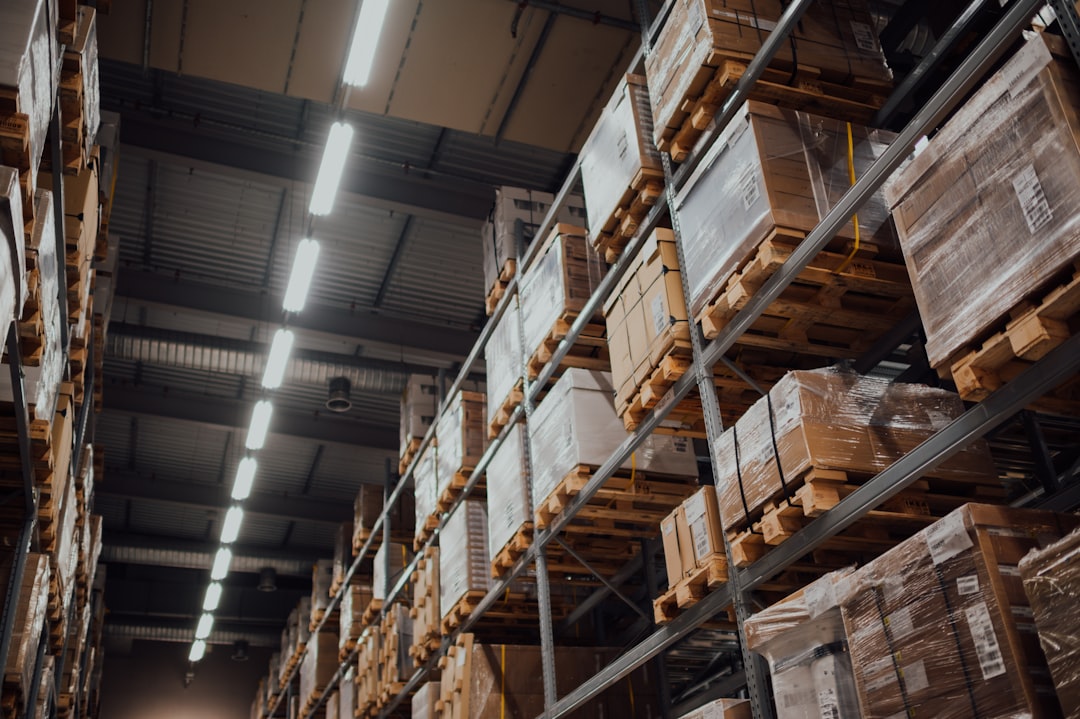
Organized inventory represents the operational outcome of a sourcing process supported by supplier verification and quality control.
Photo by CHUTTERSNAP on Unsplash. Used under the Unsplash License.
Final next move
If you have not chosen a supplier or buying route, begin with Sourcing methods. If you already have a shortlist, continue to Factory checks. If your factory is verified or production is active, go to Quality control.
Identify your current buying-stage question, open the matching section, and use the three-section sequence to guide the next decision.
Sourcing information earns its value when it is verified, compared and turned into a decision.